Understanding the Risks and How To Avoid Them
Practical, impartial guidance to help you understand how construction projects should be structured, and how to avoid unnecessary risk when selecting the right contractor.
Choosing a builder is one of the most important decisions in any project. This guide highlights where risks can arise, what to look out for, and the steps you can take to protect yourself before committing, whether you choose Andira or another builder.
Why Construction Risk Rises At Certain Times
There are many excellent builders across the UK who take pride in their work and deliver projects to a high standard.
However, risk tends to increase during periods of disruption. In recent years, construction has been affected by fluctuating material availability, price changes, extended lead times and shifting workloads. These conditions can create pressure to make decisions quickly, sometimes before the fundamentals of a well-run project are fully understood.
Construction is inherently complex. Projects rely on defined roles, proper approvals, staged inspections and written agreements. When work begins without these foundations in place, clients become exposed - particularly if decisions are made quickly or based on reassurance alone.
This is where problems often arise. Less professional operators tend to rely on urgency rather than clarity, encouraging early commitment, large upfront payments, or informal agreements. Promises may be made without the structure or process to support them.
Clear, informed decisions are the most effective protection. Understanding how a project should be set up before committing is key to reducing risk.
How Projects Typically Go Wrong
Patterns to watch for:
Pattern 1: Work starting without clear design responsibility
This is particularly serious where structural changes are involved. Removing walls, forming openings or altering a building typically requires input from qualified and insured professionals, such as structural engineers.
On properly managed projects, work is carried out in line with approved design information. If issues arise, the correct approach is to pause and refer back to the designer or engineer so any solution can be agreed, documented and approved before work continues.
Where design responsibility is unclear, decisions may be made on site without the appropriate input. Changes can be implemented informally, sometimes by individuals who are not qualified or insured to do so.
In some cases, work may be completed and covered before inspections take place, reducing the likelihood that issues are identified at the appropriate time.
WHY THIS INCREASES RISK
Unapproved structural decisions can compromise safety, invalidate approvals, and lead to costly remedial work later.
EXAMPLE
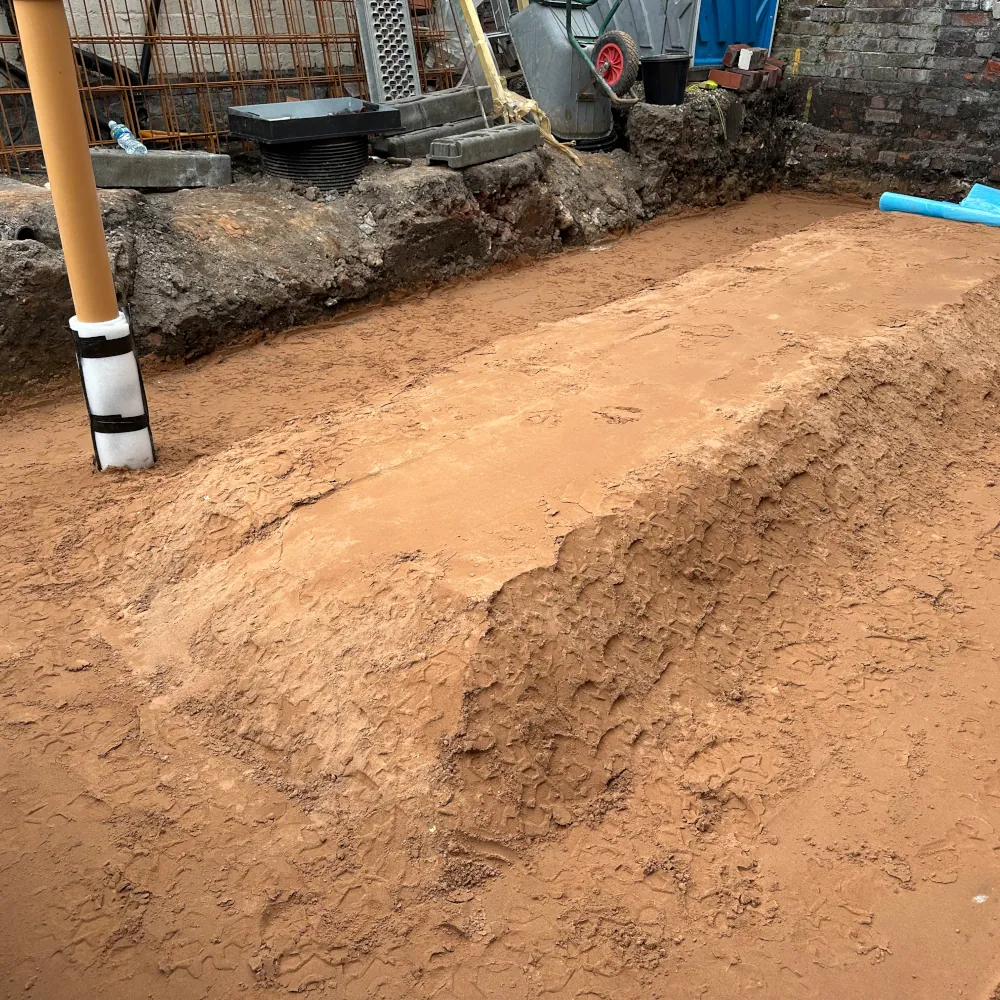
We encountered a project where a concrete floor slab had been installed other than in accordance with the structural design. When corrected, an open drainage connection and a live electrical cable were found beneath the slab.
These defects created serious risks and required extensive remediation that could have been avoided through proper sequencing and oversight.
Pattern 2: Building Control Treated As Optional
Building Control provides independent verification that work meets Building Regulations at key stages. It is a fundamental safeguard within any properly managed project.
Problems arise when inspections are delayed, discouraged or treated as an obstacle. Work may continue before inspections take place, or elements may be covered before they have been checked.
When inspections are not carried out correctly, non-compliant work can remain hidden until much later — often after completion.
WHY THIS INCREASES RISK
Missed or poorly timed inspections can result in unsafe work, lack of certification, and significant issues when selling or refinancing a property.
Pattern 3: Vague scope, assumptions or unrealistic pricing
Issues often begin with quotes that appear clear but are not supported by sufficient detail, scope or realistic planning.
Low or attractive pricing may be used to secure early commitment, with key elements omitted or loosely defined. Where scope is unclear, differences between what was priced and what is expected can emerge once work begins.
This can lead to variations, cost increases or compromises in quality to keep the project moving.
WHY THIS INCREASES RISK
Unclear pricing creates uncertainty and can lead to disputes, unexpected costs or projects stalling as the reality of the work becomes apparent.
EXAMPLE
A client requested a detailed landscaping scheme as part of an extension project. While discussed in detail, it was not properly recorded, and the contract included only a general description.
When expectations were not met, the lack of clarity in the contract left little room for resolution. The project was ultimately terminated, and the work had to be re-procured at a significantly higher cost.
Pattern 4: Missing or Unclear Contracts
A written contract should define responsibilities, scope, payment structure and how changes are managed.
Risk increases when contracts are missing, incomplete or poorly supported by documentation such as drawings, specifications or a schedule of works.
Informal agreements and verbal assurances may feel sufficient at the outset but offer limited protection if issues arise later.
WHY THIS INCREASES RISK
Without a clear contract, it becomes harder to manage change, resolve disagreements, or maintain control if a project starts to drift.
Pattern 5: Pressure-Led Payment Practices
Payment should follow a defined structure, be linked to progress and agreed in advance.
Risk increases when payments are driven by urgency rather than by the agreed structure — for example, large upfront payments, requests to accelerate payment stages, or pressure to pay in cash.
Once significant funds have been released, the client’s position can become weakened if progress slows or stops.
WHY THIS INCREASES RISK
Unstructured payment arrangements can leave clients financially exposed and reduce their ability to manage the project effectively.
EXAMPLE
A client was encouraged to bring forward payments and make additional cash contributions to maintain progress. Shortly afterwards, site activity stopped, and communication broke down.
The project was left incomplete, with further cost required to rectify non-compliant work.
How To Protect Yourself Before You Commit
Recognising risk is the first step. The next is taking practical action before work begins.
Quick start: key protections that matter most
If you’re short on time, focus on these:
-
Be clear who is responsible for design and structural decisions
-
Use Building Control as independent oversight
-
Ensure scope, contract and supporting documents align
-
Agree payment stages in advance and avoid pressure to pay early
-
Confirm insurance is in place, and review the documents
1. Define design responsibility clearly
Confirm who is responsible for design, particularly where structural work is involved.
Changes should be agreed and documented through the appropriate designer or engineer; not decided informally on site.
2. Use Building Control Properly
Ensure inspections are planned and carried out at the correct stages.
Work should not be covered before it has been inspected.
3. Record Scope Clearly In Writing
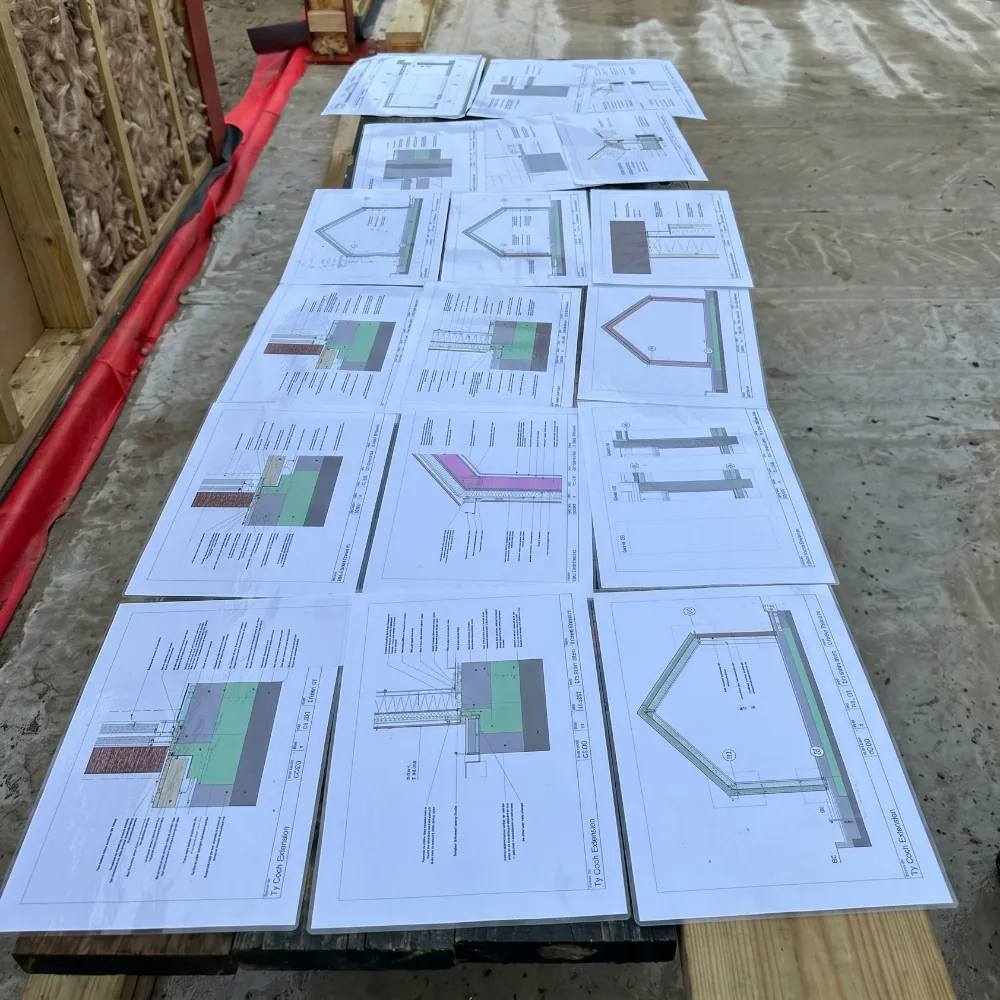
Anything you expect to be delivered should be documented through drawings, specifications or schedules.
Vague descriptions leave room for interpretation.
4. Ensure the contract reflects what is agreed
The contract should align with discussions and be supported by relevant documentation, including drawings and scope of works.
If something matters, it should be recorded clearly.
5. Agree payment structure in advance
Payments should be linked to defined progress and agreed before work begins.
Avoid pressure to pay ahead of schedule.
6. Understand insurance and guarantees
Confirm what insurance is in place and what it covers.
Review documentation rather than relying on assumption.
Final Reminder
Trust matters, but clarity provides protection.
Taking the time to confirm responsibilities, documentation and agreements before work begins is far more effective than trying to resolve issues once a project is underway.
Explore Our Recent Projects
Discover the quality and craftsmanship in our bespoke joinery and shop fitting installations.